Unlocking Peanut Protein: Nutritional Insights & Quality
Introduction
In the quest for optimal nutrition, understanding the protein content and quality of ingredients is crucial, especially for those in the food industry. Peanuts, known for their rich protein content, are a staple in many recipes. However, comparing their protein quality to other sources can be challenging. This article promises to guide you through the intricacies of peanut protein content and quality, offering insights into how to calculate nutrition facts for homemade recipes using advanced tools.
Whether you're a food business owner, a home cook, or a nutrition enthusiast, knowing the protein quality of peanuts can enhance your recipe development and nutritional offerings. Let's delve into how you can effectively analyze and compare peanut protein content.
By the end of this article, you'll be equipped with the knowledge to utilize NutriCalcPro's suite of tools, ensuring your recipes are nutritionally optimized and compliant with labeling standards.
What Is Peanut Protein Content and Protein Quality?
Peanut protein refers to the amount of protein present in peanuts. Peanuts are a valuable source of plant-based protein, often used in diets to meet protein requirements. A standard serving of peanuts provides a significant amount of protein, making it a popular choice for vegetarians and vegans.
Protein quality, on the other hand, is determined by the protein's amino acid composition and digestibility. The Protein Digestibility Corrected Amino Acid Score (PDCAAS) is commonly used to measure protein quality. It evaluates how well the protein meets human amino acid requirements and its digestibility.
Understanding both the content and quality of peanut protein is essential for creating balanced and nutritious recipes. This knowledge helps in comparing peanuts to other protein sources and determining their suitability in various dietary plans.
Why It Matters
For food businesses, accurate knowledge of peanut protein content and quality is vital for several reasons. Firstly, it ensures that the nutritional expectations of consumers are met, particularly for those with specific dietary requirements.
Secondly, it aids in the development of competitive products. By understanding how peanuts compare to other protein sources, businesses can better position their products in the market. This is crucial in an industry where consumers are increasingly health-conscious and informed about nutrition.
Lastly, accurate protein analysis is necessary for compliance with nutrition labeling regulations. Mislabeling can lead to regulatory penalties and loss of consumer trust. Hence, having precise nutritional data is a business imperative.
Step-by-Step Guide to Analyzing Peanut Protein
- Gather Your Ingredients: Start by listing all the ingredients in your recipe, focusing on those contributing to protein content. Peanuts, peanut butter, and peanut flour are common items to include.
- Calculate Protein Content: Use NutriCalcPro’s Ingredient Calorie Calculator to determine the protein content of each ingredient. This tool provides precise nutritional values based on standard serving sizes.
- Assess Protein Quality: Compare the amino acid profile of peanut protein with other sources using NutriCalcPro’s Nutrition Comparison tool. This will help you understand the protein's completeness and digestibility.
- Calculate Total Protein: Aggregate the protein content from all ingredients to get the total protein in your recipe. Ensure you consider the serving size using a calories per serving calculator for recipes.
- Generate Nutrition Label: Use NutriCalcPro's Label Gen to create an accurate nutrition label for your product. This ensures compliance with labeling regulations.
Common Mistakes to Avoid
- Ignoring Serving Sizes: Always adjust protein calculations based on the actual serving size to provide accurate nutritional information.
- Overlooking Ingredient Variability: Different peanut products have varying protein contents. Ensure you use specific data for each ingredient.
- Neglecting Protein Quality: Focusing only on protein quantity without considering quality can lead to nutritional imbalances in your recipes.
- Inaccurate Labeling: Ensure that all nutritional information complies with local regulations to avoid legal issues.
- Underutilizing Technology: Not leveraging tools like NutriCalcPro can lead to manual errors and inefficiencies in nutritional analysis.
How NutriCalcPro Helps
NutriCalcPro offers an array of tools that simplify the process of analyzing peanut protein content and quality. The Nutrition Calc tool allows for accurate and quick calculations of nutritional content in homemade recipes.
For businesses concerned with cost efficiency, the Cost Calc tool provides a comprehensive breakdown of recipe costs, ensuring profitability while maintaining nutritional integrity.
Moreover, the Allergen Checker is invaluable for identifying potential allergens in recipes, providing peace of mind for both businesses and consumers.
FAQ
How can I find the protein content in a peanut-based recipe?
Use tools like NutriCalcPro’s Nutrition Calc to input your recipe and calculate protein content based on the specific ingredients and serving sizes.
What makes peanut protein quality different from other sources?
Peanut protein, while rich, may lack certain essential amino acids when compared to animal proteins. It is essential to understand its amino acid profile when comparing it to other protein sources.
Why should food businesses focus on protein quality?
Protein quality affects product positioning and consumer satisfaction. High-quality protein products are more desirable, particularly in health-focused markets.
How do I calculate calories per serving in peanut recipes?
Utilize a calories per serving calculator to determine the exact nutritional value per serving size, ensuring accuracy in your nutritional labels.
Conclusion
Understanding the nuances of peanut protein content and quality is vital for food businesses aiming to deliver nutritionally balanced products. By leveraging advanced tools like NutriCalcPro, you can ensure accuracy and compliance in your nutritional analysis. Start optimizing your recipes today with a trial of NutriCalcPro's comprehensive suite of tools, and take your food business to the next level.
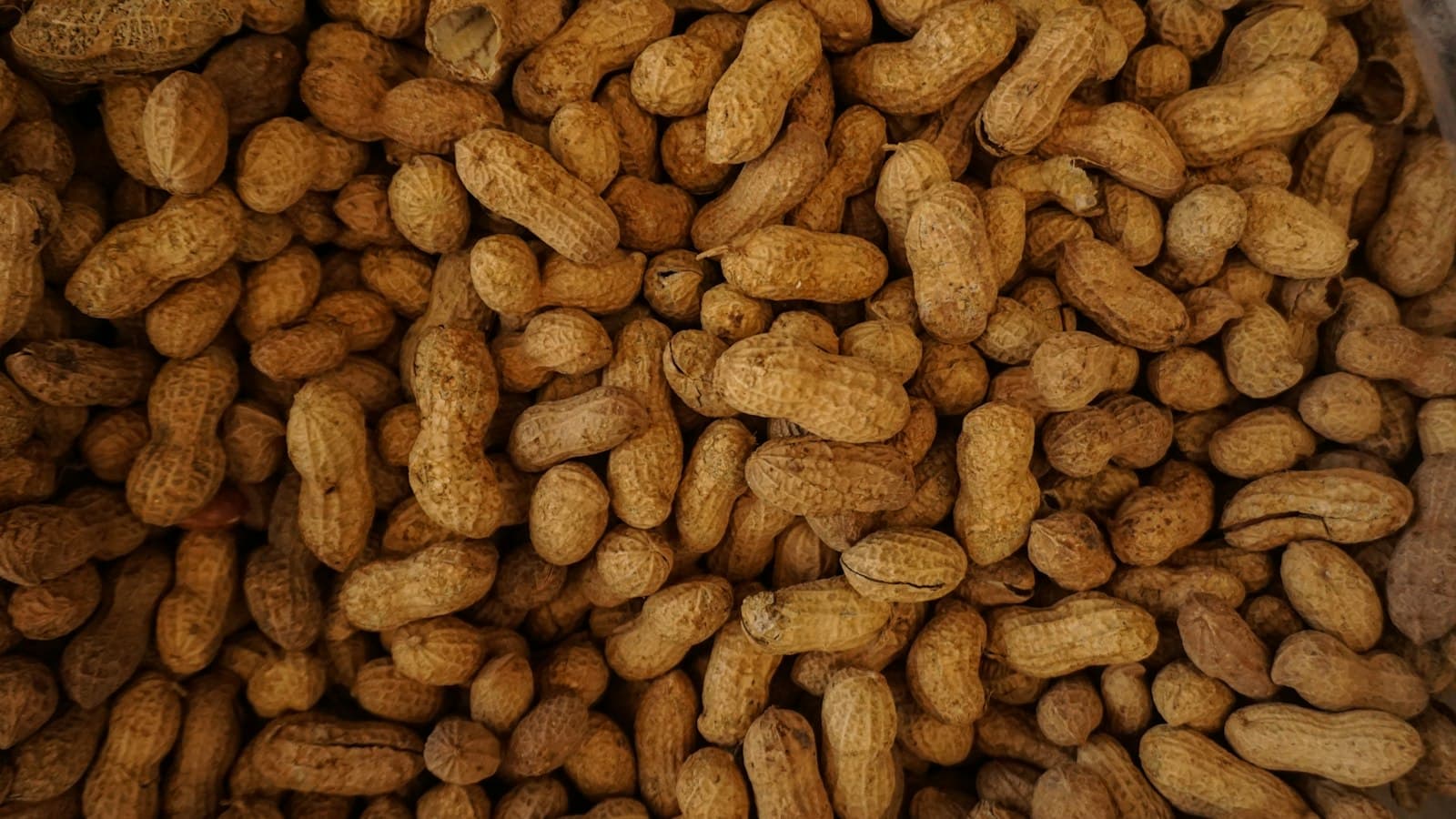
Photo by Tom Hermans on Unsplash
Calculate Nutrition for Any Recipe
Enter your ingredients and quantities — get a full nutrition breakdown per serving, USDA-verified and label-ready.
Try the Nutrition Calculator