Rice Nutrition Facts: Cooked vs Uncooked, A Comprehensive Guide
Introduction
For many, rice is a staple food that features prominently in a variety of cuisines worldwide. However, understanding rice nutrition facts per 100g cooked vs uncooked can be a bit of a conundrum. This article promises to unravel this mystery and provide clarity on how cooking affects the nutritional profile of rice. Whether you're a food business owner, home cook, or nutritionist, this guide is tailored to your needs.
The difference in nutritional content between cooked and uncooked rice can significantly impact dietary planning and food labeling. Knowing these differences is crucial, especially when calculating calories in common cooking ingredients per 100g. This comprehensive guide will equip you with essential knowledge to make informed decisions about rice consumption and labeling.
Using tools like NutriCalcPro's Nutrition Calc can further simplify these calculations, ensuring accuracy and compliance with nutritional standards. Let's dive into understanding the core concepts of rice nutrition.
What Is Rice Nutrition Facts Per 100g Cooked vs Uncooked?
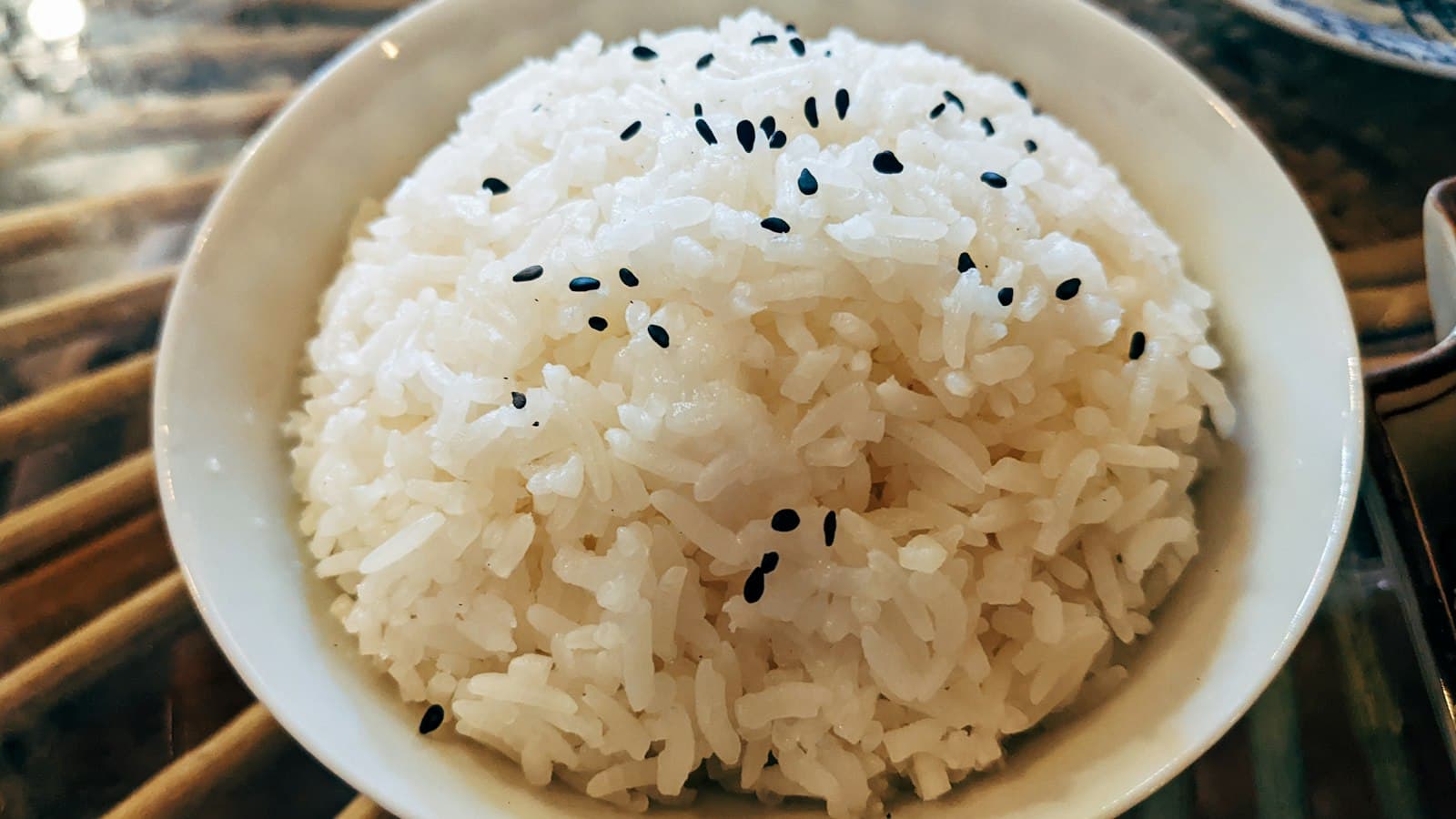
Rice is a carbohydrate-rich grain that serves as a primary energy source for millions. When considering rice nutrition facts per 100g, it's essential to differentiate between cooked and uncooked states. Uncooked rice typically contains higher nutrient density compared to its cooked counterpart.
In its uncooked form, rice retains all its natural moisture, making it denser in calories and nutrients per 100g. For example, uncooked white rice generally contains around 365 calories per 100g, whereas the same amount of cooked white rice provides significantly fewer calories due to water absorption during cooking.
Understanding these differences is vital for accurate nutritional labeling and dietary planning. It also highlights the importance of tools that can compute nutrition facts efficiently, saving time and ensuring precision.
Why It Matters
The real-world importance of understanding rice nutrition facts per 100g cooked vs uncooked cannot be overstated. For food businesses, accurate nutritional information is not only a regulatory requirement but also a marker of transparency and trustworthiness among consumers.
For restaurants and food service providers, this knowledge aids in menu planning and meeting dietary needs. Accurate information about the calories in common cooking ingredients per 100g helps in crafting balanced meals that cater to health-conscious customers.
Moreover, understanding these differences is crucial when creating nutrition labels. Utilizing tools like NutriCalcPro's Label Gen can streamline this process, ensuring that your products meet all necessary compliance requirements and exceed customer expectations.
Step-by-Step Guide
- Measure Accurately: Begin by weighing your rice before and after cooking. This will help in calculating the exact nutritional differences between the two states.
- Utilize Nutritional Databases: Look up the USDA nutrition database to find accurate values for both cooked and uncooked rice. This step is crucial for obtaining reliable data.
- Calculate Nutrient Changes: Use tools like NutriCalcPro's Nutrition Calc to input and analyze your data. This tool will help you understand how cooking affects nutrient retention and loss.
- Create Nutrition Labels: Once you have the accurate data, use the Label Gen tool to create compliant nutrition labels for your products.
- Review and Adjust: Regularly review your nutritional information and adjust recipes as needed to maintain accuracy and compliance with dietary guidelines.
Common Mistakes to Avoid
- Ignoring Water Content: One of the most common mistakes is neglecting the effect of water absorption on nutrient density. Always consider how cooking alters these values.
- Using Outdated Data: Nutritional content can vary based on rice variety and source. Ensure that you use the latest data from trusted sources like the USDA nutrition database.
- Overlooking Portion Control: Misjudging portion sizes can lead to inaccurate nutritional labeling, which can impact consumer trust and regulatory compliance.
- Neglecting Nutritional Value of Spices and Herbs: While focusing on rice, don't overlook the nutritional value of spices and herbs used in rice dishes. These can add significant nutrients and alter the overall profile.
How NutriCalcPro Helps
NutriCalcPro offers a suite of tools designed to simplify and enhance the process of nutritional analysis and labeling. The Nutrition Calc tool is particularly beneficial for calculating rice nutrition facts per 100g cooked vs uncooked. By inputting your data, you can effortlessly obtain detailed nutritional insights.
For businesses concerned with cost efficiency, the Cost Calc tool can help manage expenses by providing detailed cost analyses of your recipes. This can be particularly useful when determining the financial implications of using different types of rice.
Additionally, NutriCalcPro's Label Gen ensures that your nutrition labels are accurate and compliant with current regulations, enhancing your product's marketability and consumer trust.
FAQ
What is the difference in calories between cooked and uncooked rice?
Uncooked rice is denser in calories per 100g due to the absence of absorbed water. Typically, uncooked rice contains around 365 calories per 100g, whereas cooked rice has significantly fewer calories, approximately 130 calories per 100g.
How does cooking affect rice nutrition?
Cooking rice increases its water content, which dilutes its nutrient and calorie density. While the overall nutrient content remains, the concentration per 100g decreases. This is why it's crucial for food businesses to calculate both cooked and uncooked nutrition data accurately.
Can I use NutriCalcPro for other ingredients besides rice?
Absolutely. NutriCalcPro offers tools like the Ingredient calculator to analyze a wide range of ingredients, ensuring comprehensive nutritional and cost analyses for all your culinary needs.
How do I look up the USDA nutrition database?
To look up the USDA nutrition database, visit their official website or use trusted tools like NutriCalcPro, which integrates USDA data for accurate and up-to-date nutrition facts, enhancing your research and analysis process.
Conclusion
Understanding rice nutrition facts per 100g cooked vs uncooked is essential for anyone involved in food preparation and labeling. Accurate nutritional analysis not only ensures compliance but also builds trust with consumers. By utilizing tools like NutriCalcPro, you can simplify this process significantly. Try NutriCalcPro today and experience the difference in precision and efficiency.
Photo by Markus Winkler on Unsplash
Calculate Nutrition for Any Recipe
Enter your ingredients and quantities — get a full nutrition breakdown per serving, USDA-verified and label-ready.
Try the Nutrition Calculator