Understanding Fiber Content of Common Vegetables Per Serving
Introduction
In a world where health-conscious consumers are increasingly prioritizing dietary fiber, understanding the fiber content of common vegetables per serving is crucial for food businesses. Whether you're a home cook, nutritionist, or food entrepreneur, this knowledge not only helps in crafting nutritious meals but also in meeting customer demand for healthier options. This article will delve into the fiber content of various vegetables, its importance, and how you can leverage tools like NutriCalcPro to optimize your offerings.
Imagine enhancing your menu with fiber-rich vegetables that not only satisfy but also promote well-being. With growing awareness of fiber's benefits, from improved digestion to heart health, knowing which vegetables offer the best fiber content can be a game-changer. Here, we promise to equip you with the knowledge and tools to make informed choices.
Join us as we explore the intricate details of vegetable fiber content and provide actionable insights to elevate your culinary creations.
What Is Fiber Content in Vegetables?
Fiber is an essential component of a balanced diet, primarily found in plant-based foods. It is categorized into soluble and insoluble types, each playing unique roles in maintaining digestive health. When we discuss the fiber content of common vegetables per serving, we refer to the amount of dietary fiber present in a standard serving size of these vegetables.
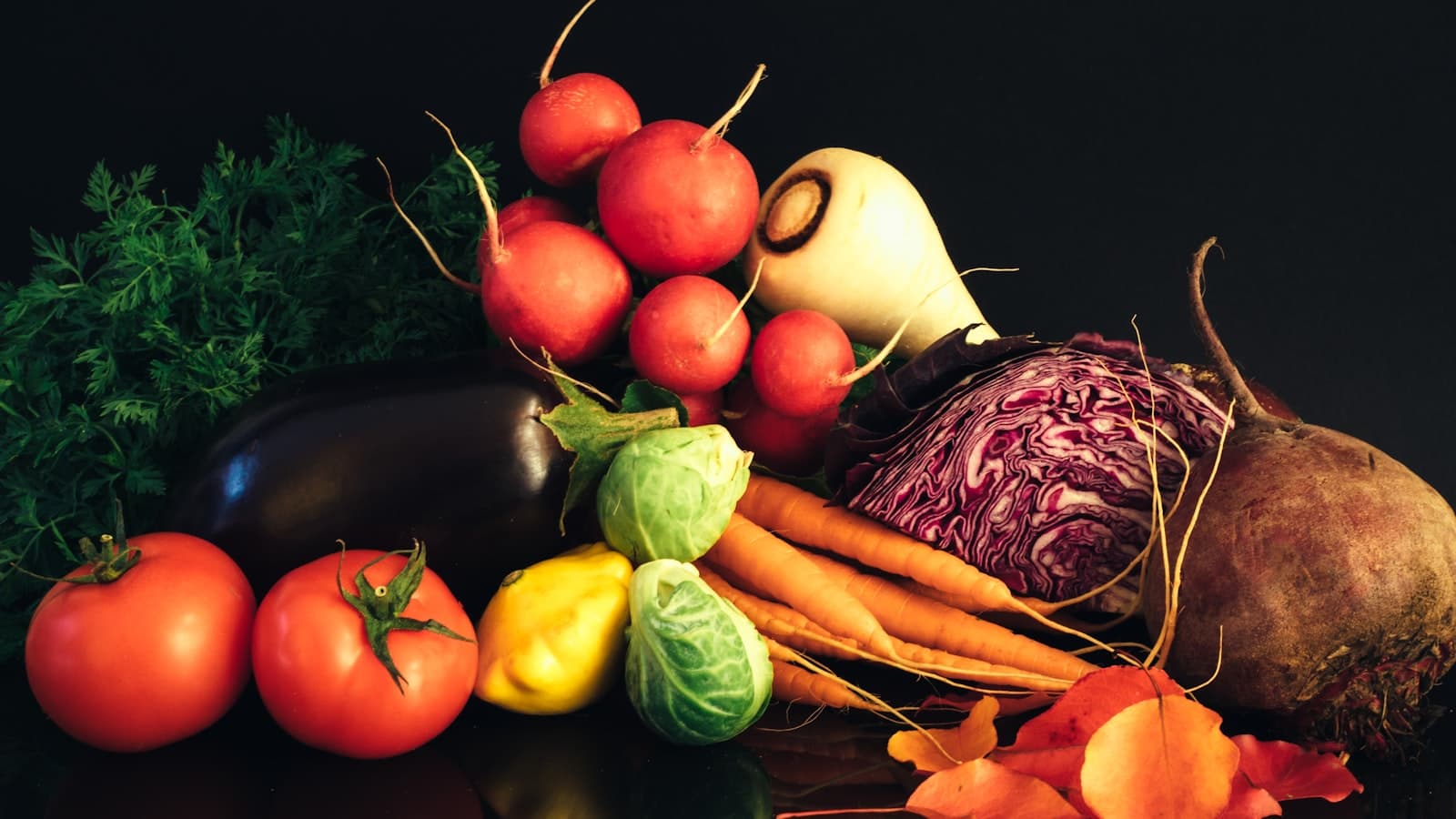
Vegetables like broccoli, carrots, and spinach are not only rich in vitamins and minerals but also packed with fiber. For instance, a cup of cooked broccoli contains about 5 grams of fiber, contributing significantly to the recommended daily intake for adults. Understanding these values can help customize meal plans that align with nutritional goals.
Including fiber-rich vegetables in your diet aids in maintaining healthy blood sugar levels, reducing cholesterol, and promoting satiety, which can be beneficial for weight management. Recognizing the fiber content in vegetables allows you to create balanced meals that cater to diverse dietary needs.
Why It Matters
For food businesses, understanding the fiber content of common vegetables per serving is not just a matter of nutrition but a strategic advantage. As consumers become more health-savvy, offering meals rich in dietary fiber can set your business apart in a competitive market.
Fiber-rich foods are linked to numerous health benefits, including reduced risk of heart disease, improved digestive health, and better weight management. By incorporating high-fiber vegetables into your offerings, you can appeal to health-conscious customers and enhance your brand's reputation for promoting well-being.
Moreover, accurately labeling the fiber content on your products can build consumer trust and comply with nutritional labeling regulations. This transparency can drive customer loyalty and potentially increase sales, making fiber content a critical consideration for food entrepreneurs.
Step-by-Step Guide
- Identify Key Vegetables: Start by selecting vegetables known for their high fiber content, such as kale, peas, and sweet potatoes. Research their nutritional profiles using reliable sources like the USDA nutrition database.
- Calculate Serving Sizes: Determine the standard serving sizes for each vegetable. This typically aligns with guidelines provided by health authorities and helps in standardizing nutritional calculations.
- Use Nutrition Tools: Utilize tools like the Nutrition Calc by NutriCalcPro to accurately assess the fiber content of your selected vegetables per serving. This tool can streamline the process and ensure precision.
- Label Accurately: Once you have the fiber content data, ensure it is clearly displayed on your product labels or menu items. Transparency in nutritional information can enhance customer trust and satisfaction.
- Educate Your Audience: Share the health benefits of dietary fiber with your customers through marketing materials or social media. Educated consumers are more likely to appreciate and choose fiber-rich options.
Common Mistakes to Avoid
- Overlooking Serving Size: Misjudging the correct serving size can lead to inaccurate fiber content calculations, misleading customers.
- Neglecting Other Nutrients: While focusing on fiber, don't ignore other vital nutrients in vegetables. A balanced nutritional profile is key.
- Ignoring Seasonal Variations: The fiber content in vegetables can vary seasonally; always consider this when calculating nutritional values.
- Using Outdated Data: Relying on outdated nutritional databases can result in inaccuracies. Always use the latest data, such as the USDA nutrition database.
How NutriCalcPro Helps
NutriCalcPro offers an array of tools designed to simplify the process of nutritional analysis for food businesses. The Nutrition Calc tool is particularly beneficial for determining the fiber content of common vegetables per serving. By automating calculations and providing accurate data, this tool saves time and reduces the risk of errors.
Beyond fiber analysis, NutriCalcPro's features, such as the Ingredient tool, allow you to explore calories in common cooking ingredients per 100g, enhancing your ability to create balanced recipes. With a user-friendly interface, these tools are accessible to both seasoned professionals and newcomers alike.
Integrating NutriCalcPro into your workflow can lead to more informed decisions, efficient operations, and ultimately, a competitive edge in the food industry.
FAQ Section
How can I determine the fiber content in my recipes?
Using tools like NutriCalcPro's Nutrition Calc can streamline the process. Input your ingredients, and the tool calculates the fiber content per serving, ensuring accuracy and compliance with labeling standards.
Why is fiber important in a diet?
Fiber plays a crucial role in maintaining digestive health, stabilizing blood sugar levels, and reducing cholesterol. It also promotes a feeling of fullness, which can aid in weight management.
How do I use the USDA nutrition database for fiber information?
The USDA nutrition database is a comprehensive resource for nutritional data. Search for your vegetable of interest, and you'll find detailed fiber content information per serving size.
What are the best vegetables for high fiber content?
Vegetables like lentils, chickpeas, broccoli, and artichokes are renowned for their high fiber content. Incorporating these into your diet can significantly boost your fiber intake.
Conclusion
Understanding the fiber content of common vegetables per serving is not only beneficial for personal health but also strategically advantageous for food businesses. By leveraging tools like NutriCalcPro, you can ensure accurate nutritional analysis, compliance with labeling regulations, and enhanced customer satisfaction. Start optimizing your recipes today and explore the numerous benefits of fiber-rich foods. Try NutriCalcPro free and transform your culinary offerings.
Photo by Sharon Pittaway on Unsplash
Calculate Nutrition for Any Recipe
Enter your ingredients and quantities — get a full nutrition breakdown per serving, USDA-verified and label-ready.
Try the Nutrition Calculator