Exploring the Nutritional Value of Spices and Herbs
Introduction
In the culinary world, spices and herbs are often celebrated for their ability to transform dishes with vibrant flavors and aromas. However, their role extends beyond taste enhancement. Understanding the nutritional value of spices and herbs is crucial for food businesses and home cooks alike. This article delves into the rich nutritional profiles of these ingredients and offers insights into how they can be leveraged for healthier recipes.
For food entrepreneurs and nutritionists, incorporating spices and herbs into your culinary creations can offer a unique edge. From boosting nutritional content to reducing calorie intake, these ingredients are a treasure trove of potential benefits. In this comprehensive guide, we'll explore their nutritional values and demonstrate how tools like NutriCalcPro can assist in optimizing your ingredient choices.
By the end of this article, you'll have a deeper understanding of spices and herbs, practical insights into their use, and a roadmap to enhance your food business's nutritional offerings. Let's dive into the world of spices and herbs and unlock their full potential.
What Is the Nutritional Value of Spices and Herbs?
Spices and herbs are plant-derived ingredients that pack a punch in terms of flavor and health benefits. They are rich in phytochemicals, antioxidants, vitamins, and minerals, making them essential components of a balanced diet. Common spices like turmeric, cinnamon, and ginger are known for their anti-inflammatory and antioxidant properties, while herbs like basil, parsley, and cilantro offer a wealth of vitamins A, C, and K.
Despite their small quantities in recipes, the nutritional impact of spices and herbs can be significant. For instance, adding just a teaspoon of turmeric to your dish can provide a substantial dose of curcumin, a compound linked to numerous health benefits. Similarly, fresh herbs like cilantro can enhance the flavor profile while contributing to your daily intake of essential micronutrients.
Understanding the caloric content of these ingredients is also important. While spices and herbs are typically low in calories, knowing the calories in common cooking ingredients per 100g can help in creating balanced recipes. Using the NutriCalcPro Ingredient tool, you can easily look up the USDA nutrition database to find detailed nutritional information for a wide range of spices and herbs.
Why It Matters
For food businesses, understanding the nutritional value of spices and herbs is not just a matter of health; it is also a strategic advantage. Consumers are increasingly health-conscious and demand transparency in the nutritional content of the foods they consume. By highlighting the nutritional benefits of your dishes, you can differentiate your offerings and appeal to this growing market segment.
Moreover, using spices and herbs to enhance the nutritional profile of your recipes can contribute to a healthier menu without sacrificing taste. This approach is particularly beneficial for businesses looking to cater to specific dietary needs, such as low-calorie, plant-based, or anti-inflammatory diets. By leveraging the complete amino acid profile of plant proteins found in some spices and herbs, you can offer well-rounded meals that meet diverse nutritional requirements.
Incorporating spices and herbs into your product development process can also lead to cost savings. These ingredients can enhance flavor without the need for additional fats or sugars, reducing overall ingredient costs. Using the NutriCalcPro Cost Calc, you can precisely calculate the cost-effectiveness of incorporating these ingredients into your recipes.
Step-by-Step Guide
- Identify Key Spices and Herbs: Start by selecting spices and herbs that align with your culinary goals and customer preferences. Consider both flavor and nutritional benefits when making your choices.
- Research Nutritional Profiles: Use the NutriCalcPro Ingredient tool to access the USDA nutrition database. This step will provide you with detailed insights into the caloric content and nutrient composition of your chosen spices and herbs.
- Incorporate into Recipes: Experiment with incorporating spices and herbs into your recipes, focusing on both taste and nutrition. Consider how these ingredients can complement or enhance other components of your dishes.
- Analyze Nutritional Value: Use the NutriCalcPro Nutrition Calc to analyze the overall nutritional value of your recipes. This tool will help you ensure that your dishes meet desired nutritional standards.
- Market Your Offerings: Highlight the nutritional benefits of your dishes in your marketing materials. Educate your customers on the health benefits of the spices and herbs used in your recipes to enhance their perceived value.
Common Mistakes to Avoid
- Overlooking Portion Control: While spices and herbs are rich in nutrients, their impact is diminished if used excessively. Balance flavor with nutritional benefits to avoid overpowering dishes.
- Ignoring Potential Allergens: Some spices and herbs may trigger allergic reactions in sensitive individuals. Use the NutriCalcPro Allergen tool to identify and mitigate potential allergen risks in your recipes.
- Neglecting Freshness: The nutritional value of spices and herbs can degrade over time. Choose fresh ingredients whenever possible and store them properly to maintain their potency.
How NutriCalcPro Helps
NutriCalcPro offers a suite of tools designed to simplify the process of analyzing and optimizing your recipes. The Nutrition Calc tool allows you to accurately calculate the nutritional content of your recipes, ensuring they meet desired health standards. Additionally, the Ingredient tool provides easy access to the USDA nutrition database, making it simple to research the nutritional profiles of spices and herbs.
For businesses focused on cost management, the Cost Calc tool offers a detailed analysis of ingredient costs, helping you optimize your budget without compromising on quality. By utilizing these tools, you can enhance the nutritional value of your offerings while maintaining cost-effectiveness.
Whether you're a seasoned chef or a food entrepreneur, NutriCalcPro provides the resources you need to elevate your culinary creations. Explore the full range of tools available and transform the way you approach recipe development.
FAQ
What are the health benefits of using spices and herbs?
Spices and herbs are rich in antioxidants, vitamins, and minerals that can support overall health. They are known for their anti-inflammatory properties, which can help reduce the risk of chronic diseases. Incorporating these ingredients into your diet can enhance flavor while boosting nutritional content.
How can I ensure the nutritional accuracy of my recipes?
Using NutriCalcPro's Nutrition Calc tool, you can accurately calculate the nutritional content of your recipes. This tool accesses comprehensive data from the USDA nutrition database, ensuring precise calculations for your dishes.
Are there any allergens commonly found in spices and herbs?
Yes, some spices and herbs can trigger allergic reactions in sensitive individuals. Common allergens include mustard, sesame, and celery. It's important to use the Allergen tool to identify and manage potential allergen risks in your recipes.
Can spices and herbs replace salt in recipes?
Yes, spices and herbs can enhance flavor without the need for excessive salt. Ingredients like garlic, ginger, and cumin can add depth to your dishes while reducing sodium intake. Experiment with different combinations to achieve the desired taste.
Conclusion
Understanding the nutritional value of spices and herbs is essential for creating healthier, more flavorful recipes. By leveraging NutriCalcPro's tools, you can accurately assess and enhance the nutritional profiles of your dishes, catering to the growing demand for health-conscious offerings. Start exploring the potential of spices and herbs in your culinary creations and try NutriCalcPro free today to elevate your food business.
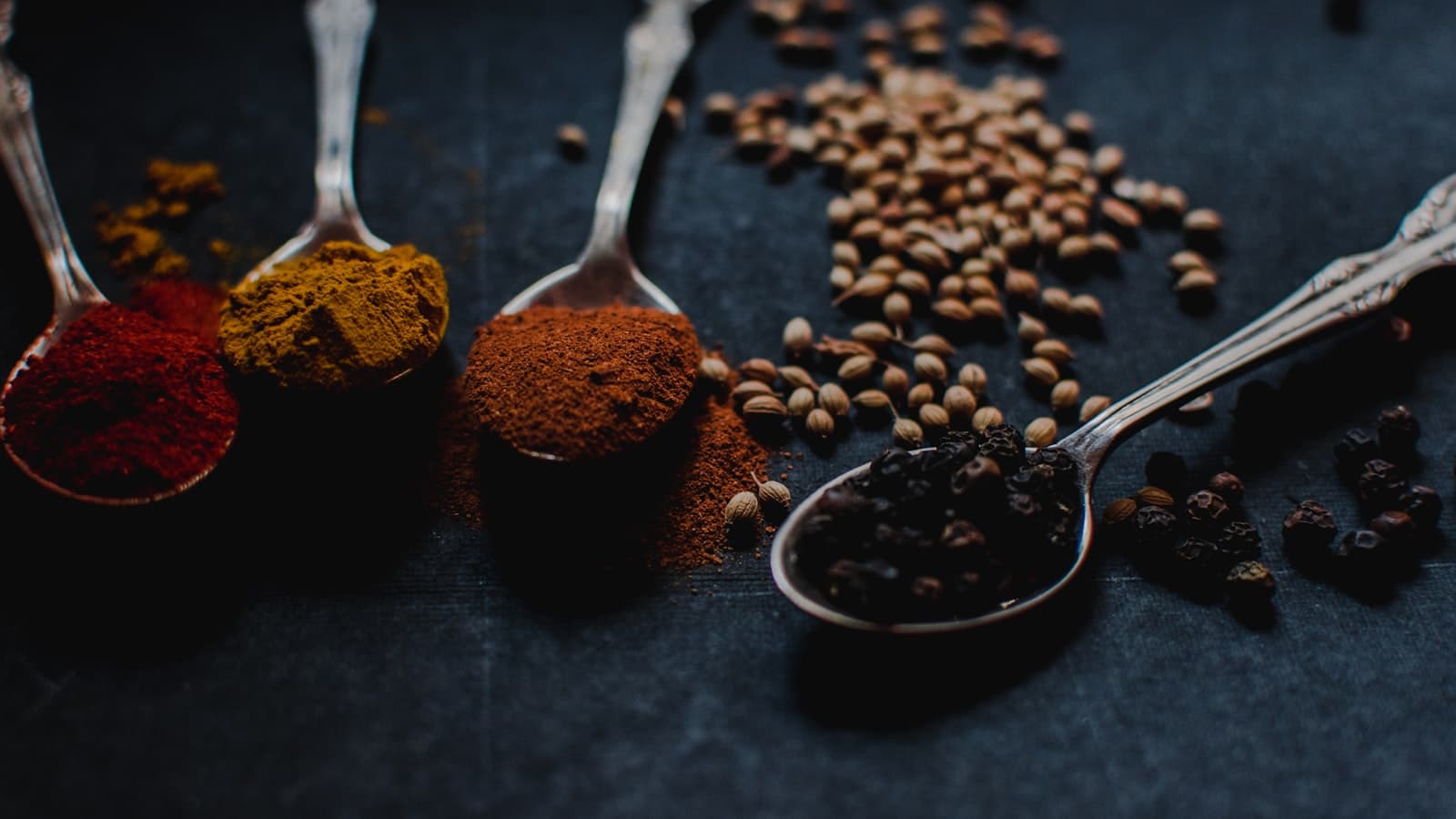
Photo by Pratiksha Mohanty on Unsplash
Calculate Nutrition for Any Recipe
Enter your ingredients and quantities — get a full nutrition breakdown per serving, USDA-verified and label-ready.
Try the Nutrition Calculator