Cottage Cheese Nutrition Facts: Protein Content Per 100g
Introduction
In the world of nutrition, understanding the specifics of what we consume is crucial. Whether you're a food business owner, a home cook, or a nutrition enthusiast, knowing the cottage cheese nutrition facts, specifically its protein content per 100g, can transform the way you approach meal planning. This article provides a comprehensive look at how cottage cheese fits into a healthy diet and how NutriCalcPro can aid in optimizing your recipe creations.
Cottage cheese is often lauded for its high protein content, making it a staple in many diets, especially those focused on muscle building and weight management. But how much protein does it actually provide per 100g serving? And what other nutritional benefits does it offer? Understanding these elements can help you make informed dietary choices.
Join us as we delve into the nutritional profile of cottage cheese, explore its significance, and guide you through using NutriCalcPro to elevate your culinary creations.
What Is Cottage Cheese?
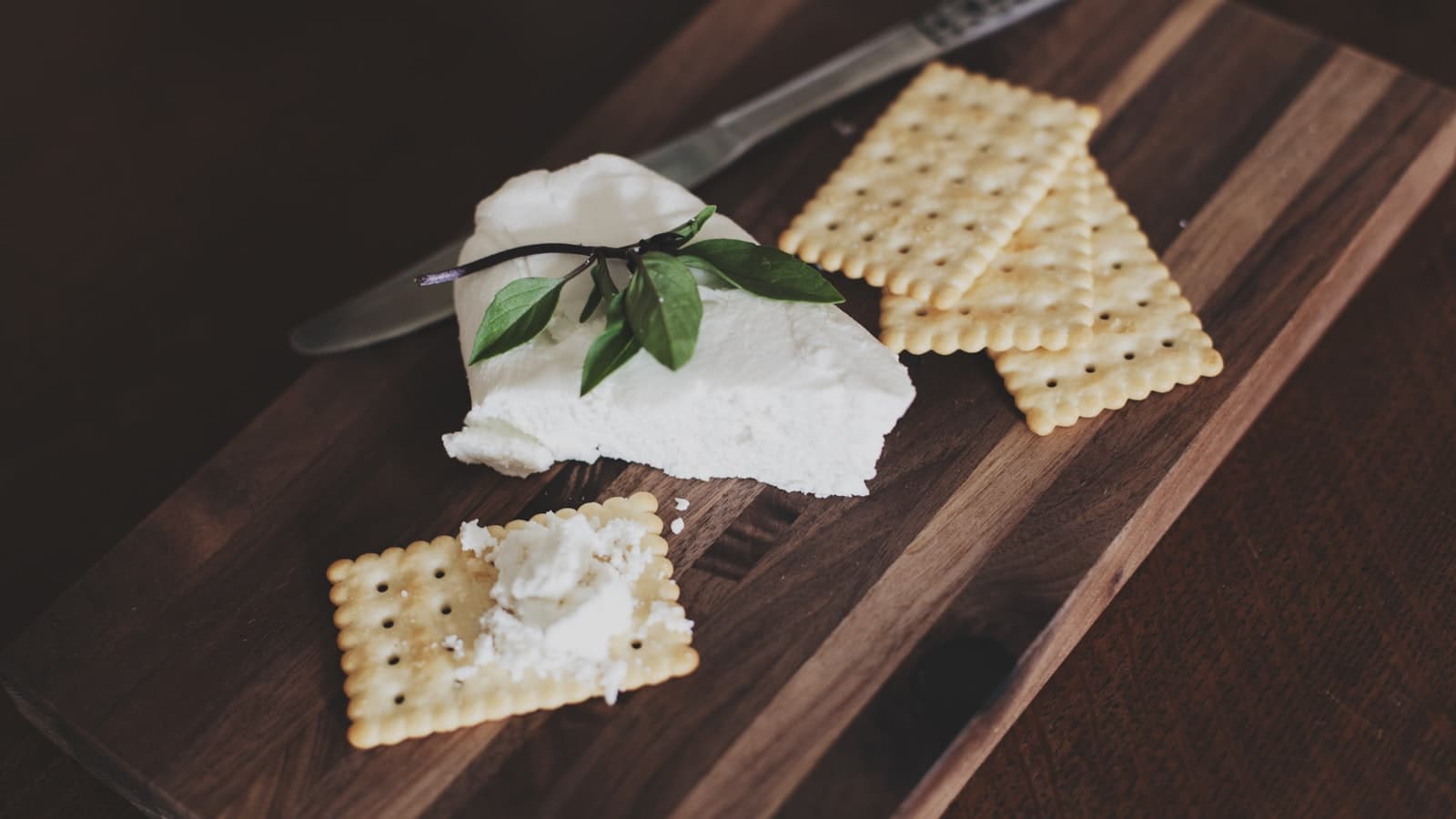
Cottage cheese is a fresh cheese curd product with a mild flavor. Unlike aged cheeses, it retains some whey, making it moist. It's typically made by curdling milk with an acidic substance like lemon juice or vinegar. The curds are then washed to remove any residual acidity, resulting in a creamy, lumpy texture.
Rich in protein, cottage cheese is available in various fat levels, from non-fat to full-fat, catering to different dietary needs. Its protein content can vary slightly depending on the brand and preparation method, but on average, 100g of cottage cheese contains about 11g of protein.
Besides protein, cottage cheese offers essential nutrients like calcium, phosphorus, and vitamin B12, contributing to bone health and metabolic functions.
Why It Matters
For food businesses, understanding the nutritional content of ingredients like cottage cheese is vital. Consumers are increasingly health-conscious, seeking out products that align with their dietary goals. Offering items with known nutritional benefits can set a business apart in a competitive market.
Knowledge of cottage cheese nutrition facts, particularly its protein per 100g, is especially valuable for those in the fitness and wellness sectors. High-protein foods are in demand for their role in muscle repair and growth, making them appealing to athletes and gym-goers.
Incorporating cottage cheese into recipes can enhance their nutritional value, providing a selling point for meal prep services, cafes, and health food stores aiming to cater to this niche market.
Step-by-Step Guide
- Research Nutritional Content: Start by looking up the nutritional information for cottage cheese. Use reliable sources or tools like the NutriCalcPro Ingredient Calculator to ensure accuracy.
- Analyze Recipes: If you're incorporating cottage cheese into a dish, analyze the entire recipe's nutrition profile using the NutriCalcPro Nutrition Calculator. This tool helps you understand the cumulative nutritional impact of all ingredients.
- Adjust Portions: Depending on your dietary needs or customer preferences, adjust the portions of cottage cheese to balance protein intake without overloading on calories.
- Create Nutrition Labels: For packaged products, generate accurate nutrition labels using the NutriCalcPro Label Generator, ensuring compliance with regulations and aiding consumers in making informed choices.
- Educate Customers: Use the insights gained to educate your customers about the benefits of cottage cheese, enhancing your product's appeal and value.
Common Mistakes to Avoid
- Overlooking Fat Content: While focusing on protein, don't ignore the fat content of cottage cheese. Choose the right type (non-fat, low-fat, or full-fat) based on dietary goals.
- Ignoring Sodium Levels: Cottage cheese can be high in sodium. Consider brands with reduced sodium or rinse the curds to lower sodium content.
- Not Accounting for Additives: Some cottage cheese products contain added sugars or flavorings. Always check labels for these extras that can affect nutritional profiles.
How NutriCalcPro Helps
NutriCalcPro offers a suite of tools designed to enhance your understanding and use of nutritional data. The Nutrition Calc tool is particularly useful for analyzing the nutritional content of your recipes, including the protein content of cottage cheese per 100g. By inputting your ingredients, you can obtain a detailed breakdown of calories, macronutrients, and more.
For businesses, the Cost Calc tool helps manage expenses by calculating the cost of your recipes based on ingredient prices. This is invaluable for maintaining profitability while offering nutritious products.
Additionally, the Label Gen tool ensures you can easily create compliant nutrition labels, a critical step in marketing and selling your food products.
FAQ
What is the protein content of cottage cheese per 100g?
On average, cottage cheese contains about 11g of protein per 100g serving. This can vary slightly depending on the brand and fat content.
How can I reduce the sodium content in cottage cheese?
To reduce sodium, choose brands labeled as low-sodium or rinse the curds under cold water. This can help remove some of the excess salt.
Is full-fat cottage cheese better than low-fat?
The choice between full-fat and low-fat depends on dietary goals. Full-fat offers more calories and fat, while low-fat provides fewer calories, making it suitable for weight management.
How do I look up detailed nutritional information for other ingredients?
You can look up detailed nutritional information using the USDA nutrition database or tools like NutriCalcPro's Ingredient Calculator.
Conclusion
Understanding cottage cheese nutrition facts, particularly its protein content per 100g, can significantly impact your dietary choices and business offerings. By leveraging tools like NutriCalcPro, you can enhance your recipes, provide accurate nutritional information, and meet consumer demands for health-focused products. Start optimizing your recipes today with a free trial of NutriCalcPro!
Photo by Anita Peeples on Unsplash
Calculate Nutrition for Any Recipe
Enter your ingredients and quantities — get a full nutrition breakdown per serving, USDA-verified and label-ready.
Try the Nutrition Calculator