Chia Seeds Nutrition Facts and Omega 3 Benefits Per Tablespoon
Introduction
In the ever-evolving world of nutrition, chia seeds have emerged as a superfood, coveted for their impressive nutrient profile. However, understanding the precise nutrition facts of chia seeds, particularly their omega-3 content per tablespoon, can be challenging. This article promises to unravel the mystery of chia seeds' nutritional benefits and provide valuable insights for food businesses looking to optimize their offerings.
Business owners and home cooks alike often search for accurate nutritional information to cater to health-conscious consumers. With popular online tools like NutriCalcPro, determining the nutritional content of various ingredients, including chia seeds, has never been easier. By the end of this article, you'll have a comprehensive understanding of chia seeds' nutrition facts and how NutriCalcPro can assist in making informed decisions.
Let’s dive into the fascinating world of chia seeds and discover how they can enhance the nutritional value of your recipes and products, focusing on their omega-3 content per tablespoon.
What Is Chia Seeds Nutrition Facts Omega 3 Per Tablespoon
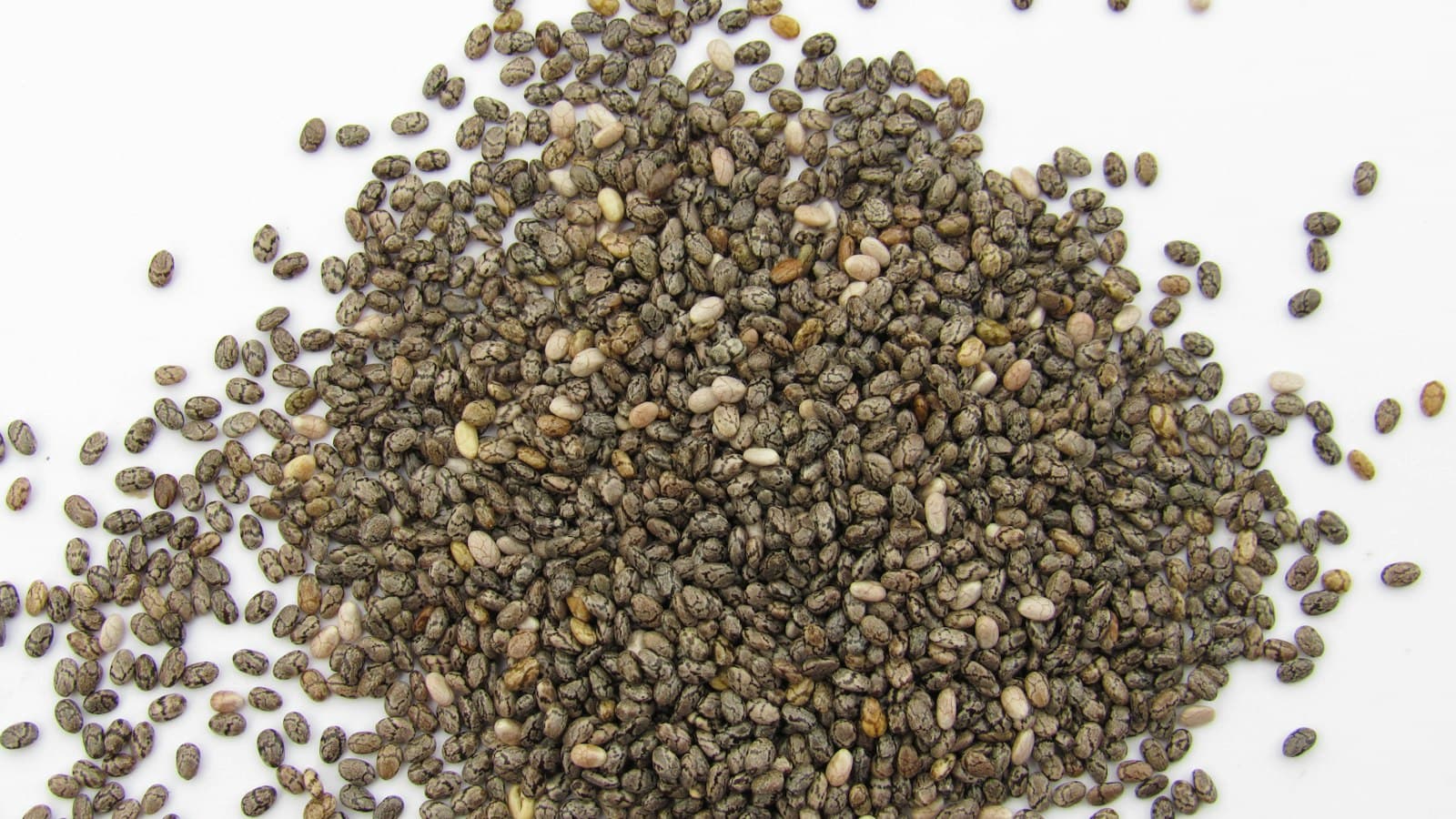
Chia seeds, derived from the Salvia hispanica plant, are tiny black seeds that pack a significant nutritional punch. A single tablespoon of these seeds contains approximately 5 grams of fiber, 2 grams of protein, and a remarkable 2.5 grams of omega-3 fatty acids. This makes them a highly sought-after ingredient for enhancing dietary omega-3 intake.
Omega-3 fatty acids are essential fats that the body cannot produce on its own. They play a crucial role in brain function, reducing inflammation, and lowering the risk of chronic diseases such as heart disease. Chia seeds are particularly rich in alpha-linolenic acid (ALA), a type of omega-3 fatty acid that is especially beneficial for heart health.
Beyond omega-3s, chia seeds are also loaded with antioxidants, calcium, magnesium, and iron, making them a well-rounded addition to any diet. Understanding these nutrition facts per tablespoon can help food businesses tailor their products to meet the growing demand for health-focused ingredients.
Why It Matters
For food businesses, offering products with verified nutritional benefits can be a key differentiator in a competitive market. With consumers increasingly prioritizing health and wellness, chia seeds' omega-3 content can be a powerful selling point.
Incorporating chia seeds into your recipes not only boosts their nutritional value but also aligns with consumer trends towards plant-based and sustainable food sources. The nutritional value of chia seeds, especially their omega-3 fatty acids, can be prominently featured on product labels to attract health-conscious consumers.
Moreover, understanding the precise nutritional content of ingredients like chia seeds can aid in compliance with food labeling regulations. Utilizing tools like NutriCalcPro's Label Gen, businesses can easily generate accurate nutrition labels, ensuring transparency and building consumer trust.
Step-by-Step Guide
- Research Chia Seeds Nutrition: Begin by understanding the basic nutritional components of chia seeds, focusing on omega-3 content per tablespoon. Use reputable sources such as the USDA nutrition database to gather accurate data.
- Use NutriCalcPro: Access the Nutrition Calc tool to input chia seeds and analyze their complete nutritional profile. This tool provides detailed insights, including calorie content and macronutrient distribution.
- Incorporate into Recipes: Experiment with chia seeds in various recipes, keeping in mind their nutritional impact. Consider how their inclusion can enhance the health benefits of your dishes.
- Generate Nutrition Labels: Utilize the Label Gen tool to create accurate nutrition labels for your products, highlighting the omega-3 content per serving.
- Market Your Products: Leverage the nutritional insights gained to market your products effectively, emphasizing the presence of omega-3 fatty acids and their health benefits.
Common Mistakes to Avoid
- Overlooking Serving Sizes: Ensure that the serving size used in calculations matches the portion size offered to consumers. Misrepresentation can lead to consumer distrust.
- Ignoring Omega-3 Conversion Rates: Remember that ALA from plant sources like chia seeds has a lower conversion rate to DHA and EPA (other omega-3 forms) in the human body. Educate consumers accordingly.
- Neglecting Other Nutrients: While omega-3s are important, don't ignore other valuable nutrients in chia seeds, such as fiber and antioxidants, which also contribute to their superfood status.
- Discounting Cost Analysis: Use the Cost Calc tool to ensure that the inclusion of chia seeds remains financially viable for your business.
How NutriCalcPro Helps
NutriCalcPro offers a suite of tools designed to simplify the nutritional analysis and labeling process for food businesses. For those looking to leverage the nutritional power of chia seeds, the Ingredient tool provides precise calorie and nutrient calculations for a wide range of ingredients, including chia seeds.
By using NutriCalcPro, businesses can ensure compliance with nutrition labeling regulations, optimize recipe costs with the Cost Calc tool, and highlight the health benefits of their products through accurate Label Gen. These features not only enhance product transparency but also build consumer trust and boost brand reputation.
Whether you're a small business owner or a large-scale producer, NutriCalcPro's comprehensive tools can streamline your workflow, allowing you to focus on creating delicious, nutritious products that meet consumer demand.
FAQ
Are chia seeds a good source of omega-3 for vegans?
Yes, chia seeds are an excellent plant-based source of omega-3 fatty acids, specifically ALA, making them ideal for vegans seeking to boost their omega-3 intake.
How can I accurately calculate calories in common cooking ingredients per 100g?
Utilize NutriCalcPro's Ingredient tool to determine calories and detailed nutrition facts for cooking ingredients, ensuring accuracy in recipe development.
What is the nutritional value of spices and herbs?
Spices and herbs offer a variety of nutrients, including antioxidants, vitamins, and minerals. To examine their specific nutritional value, consult the USDA nutrition database or use NutriCalcPro's tools for precise analysis.
Conclusion
Chia seeds are a versatile and nutrient-dense ingredient, packed with omega-3 fatty acids and other essential nutrients. By understanding their nutrition facts per tablespoon, food businesses can enhance their product offerings and appeal to health-conscious consumers.
NutriCalcPro provides the tools necessary to analyze, label, and market chia seed-infused products effectively. Start optimizing your recipes and building consumer trust with NutriCalcPro's free trial today!
Photo by Karyna Panchenko on Unsplash
Calculate Nutrition for Any Recipe
Enter your ingredients and quantities — get a full nutrition breakdown per serving, USDA-verified and label-ready.
Try the Nutrition Calculator