Best Protein Sources Per 100 Calories: A Comprehensive Comparison
Introduction
In the quest for optimal nutrition, understanding the best protein sources per 100 calories can be a game-changer. Whether you're a food business owner aiming to enhance your menu's nutritional profile or a home cook looking to balance meals, knowing how to effectively compare protein sources is key. This article promises to guide you through this process, offering valuable insights and tools to make informed choices.
With the plethora of options available, it can be daunting to choose the right protein source that offers the maximum benefit without adding excessive calories. This comprehensive comparison will help you navigate these choices with ease.
Join us as we delve into the best protein sources per 100 calories, their importance, and how tools like NutriCalcPro can streamline your nutrition analysis efforts.
What Is Protein Source Comparison?
Protein source comparison involves evaluating various foods based on their protein content relative to calorie intake. This approach helps identify foods that provide the most protein with the least caloric impact, which is crucial for those managing weight while ensuring adequate protein consumption.
The best protein sources per 100 calories are those that offer high-quality protein while maintaining a low calorie count. This metric is particularly useful for dietitians, nutritionists, and food entrepreneurs who need to create balanced meals without compromising on taste or nutrition.
Understanding the nutritional value of different ingredients, including the calories in common cooking ingredients per 100g, is fundamental for making informed decisions about food selection and menu planning.
Why It Matters
For food businesses, offering meals that are both nutritious and appealing is critical for customer satisfaction and retention. By focusing on the best protein sources per 100 calories, businesses can develop dishes that meet dietary needs without excessive calories.
Incorporating high-protein, low-calorie ingredients can enhance the nutritional profile of menus, making them attractive to health-conscious consumers. This can differentiate a business in a competitive market, where consumer preferences are increasingly leaning towards healthier options.
Furthermore, understanding the nutritional value of spices and herbs can add another layer of refinement to dishes, enhancing flavor while contributing minimal calories.
Step-by-Step Guide
- Identify Your Protein Sources: Start by listing potential protein-rich ingredients you might use, such as chicken breast, lentils, or tofu.
- Calculate Calories and Protein Content: Use the Ingredient Calorie Calculator to determine the calorie and protein content per 100g of these ingredients.
- Compare and Select: Analyze the data to select the ingredients that offer the best protein per 100 calories. Aim for those with high protein and low calorie counts.
- Incorporate into Recipes: Once you've selected your ingredients, integrate them into your recipes, balancing them with other nutrients for a wholesome meal.
- Analyze Nutritional Impact: Use NutriCalcPro's Nutrition Calc to validate your recipe's nutritional content, ensuring it meets your dietary goals.
Common Mistakes to Avoid
- Ignoring Caloric Density: Focusing solely on protein content without considering total calories can lead to energy-dense meals that aren't suitable for weight management.
- Overlooking Nutrient Balance: Prioritizing protein over other nutrients can result in unbalanced meals. Ensure a mix of carbohydrates, fats, and micronutrients.
- Not Using Accurate Tools: Failing to leverage tools like the Nutrition Comparison tool can lead to inaccurate assessments and suboptimal ingredient choices.
How NutriCalcPro Helps
NutriCalcPro offers a suite of tools that simplify the process of nutrition analysis and recipe development. The Nutrition Calc tool allows you to accurately assess the nutritional content of your recipes, ensuring you are using the best protein sources per 100 calories efficiently.
With the Cost Calc and Profit Calc features, businesses can also evaluate the financial implications of their ingredient choices, making it easier to balance cost with nutrition.
Additionally, the Allergen Checker and Label Gen tools ensure that your recipes are safe for all consumers and compliant with labeling regulations.
FAQ
What are the best protein sources per 100 calories?
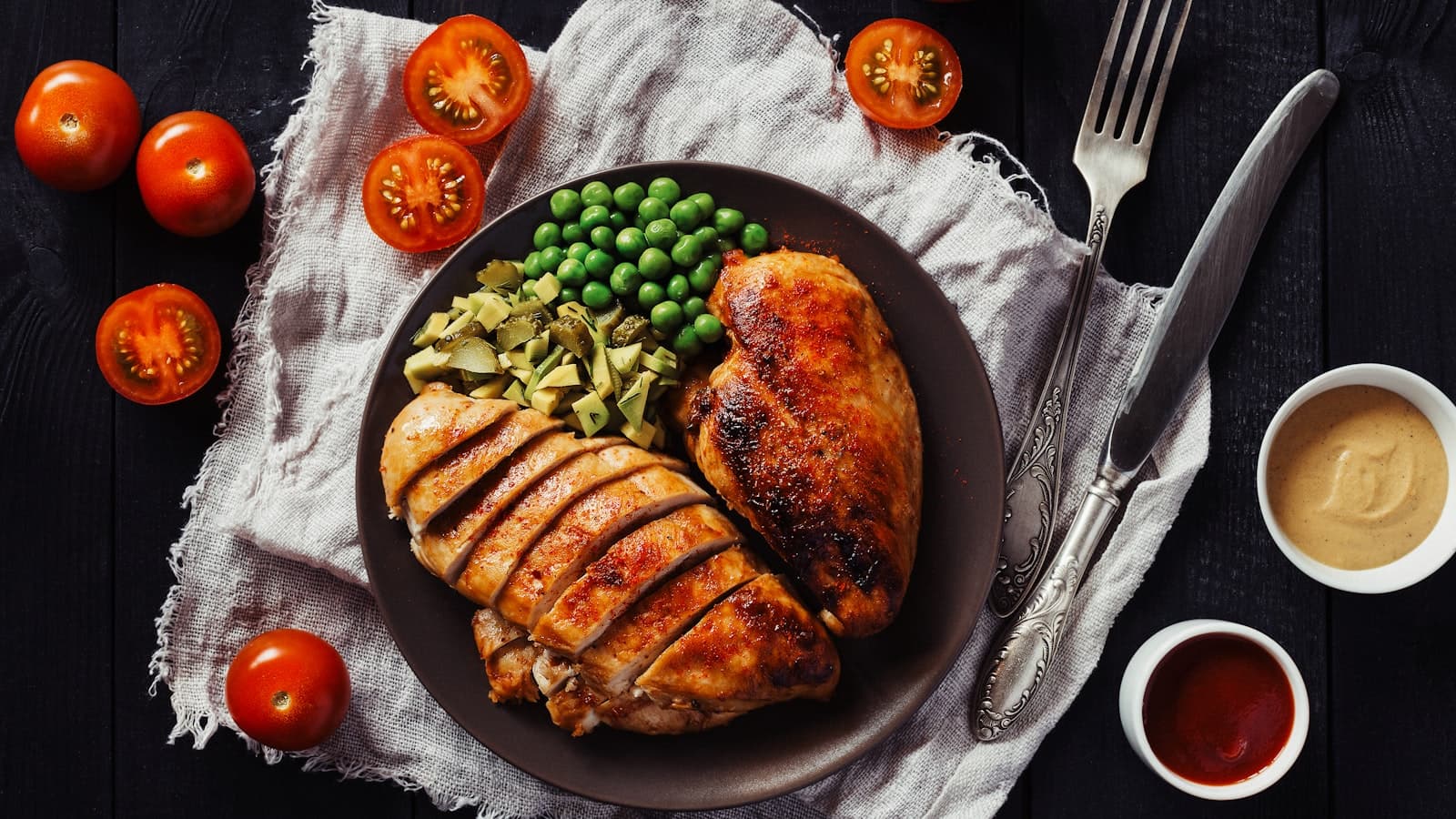
Some of the best protein sources per 100 calories include chicken breast, egg whites, and certain fish like cod. These foods offer high protein with minimal calories, making them ideal for lean diets.
How can I calculate the nutritional value of my recipes?
Using tools like NutriCalcPro's Nutrition Calc, you can input your recipe ingredients to obtain a detailed nutritional analysis, including protein content relative to calorie count.
Why is it important to consider calories in common cooking ingredients per 100g?
Understanding calories per 100g helps in assessing the energy density of foods, which is crucial for managing dietary goals, especially in weight management and balanced meal planning.
How do I look up the USDA nutrition database?
The USDA nutrition database can be accessed online, providing comprehensive data on food nutrients, which can further be analyzed using NutriCalcPro's tools for more detailed insights.
Conclusion
Optimizing your recipes with the best protein sources per 100 calories is a strategic approach to enhancing nutrition without increasing caloric intake. By using tools like NutriCalcPro, you can easily analyze and improve your recipes, ensuring they meet both nutritional and business goals. Try NutriCalcPro today to see how it can transform your approach to nutrition.
Calculate Nutrition for Any Recipe
Enter your ingredients and quantities — get a full nutrition breakdown per serving, USDA-verified and label-ready.
Try the Nutrition Calculator