Mediterranean Diet Meal Plan: 7-Day Blueprint with Nutrition Analysis

Why the Mediterranean Diet Works
The Mediterranean diet consistently outperforms other popular diets in long-term cardiovascular health, cognitive function, and sustainable weight management — not because it's restrictive, but because it's built on food quality and variety.
Key pillars: abundant olive oil, vegetables, legumes, whole grains, moderate fish, limited red meat, and moderate wine (optional).
Day 1
Breakfast (365 kcal): 2 poached eggs, 2 slices whole-grain toast, ½ avocado, fresh tomato slices, olive oil drizzle. 16g protein / 32g carbs / 19g fat.
Lunch (480 kcal): Large Greek salad (cucumbers, tomatoes, olives, red onion, feta) + 150g grilled chicken breast. 42g protein / 18g carbs / 22g fat.
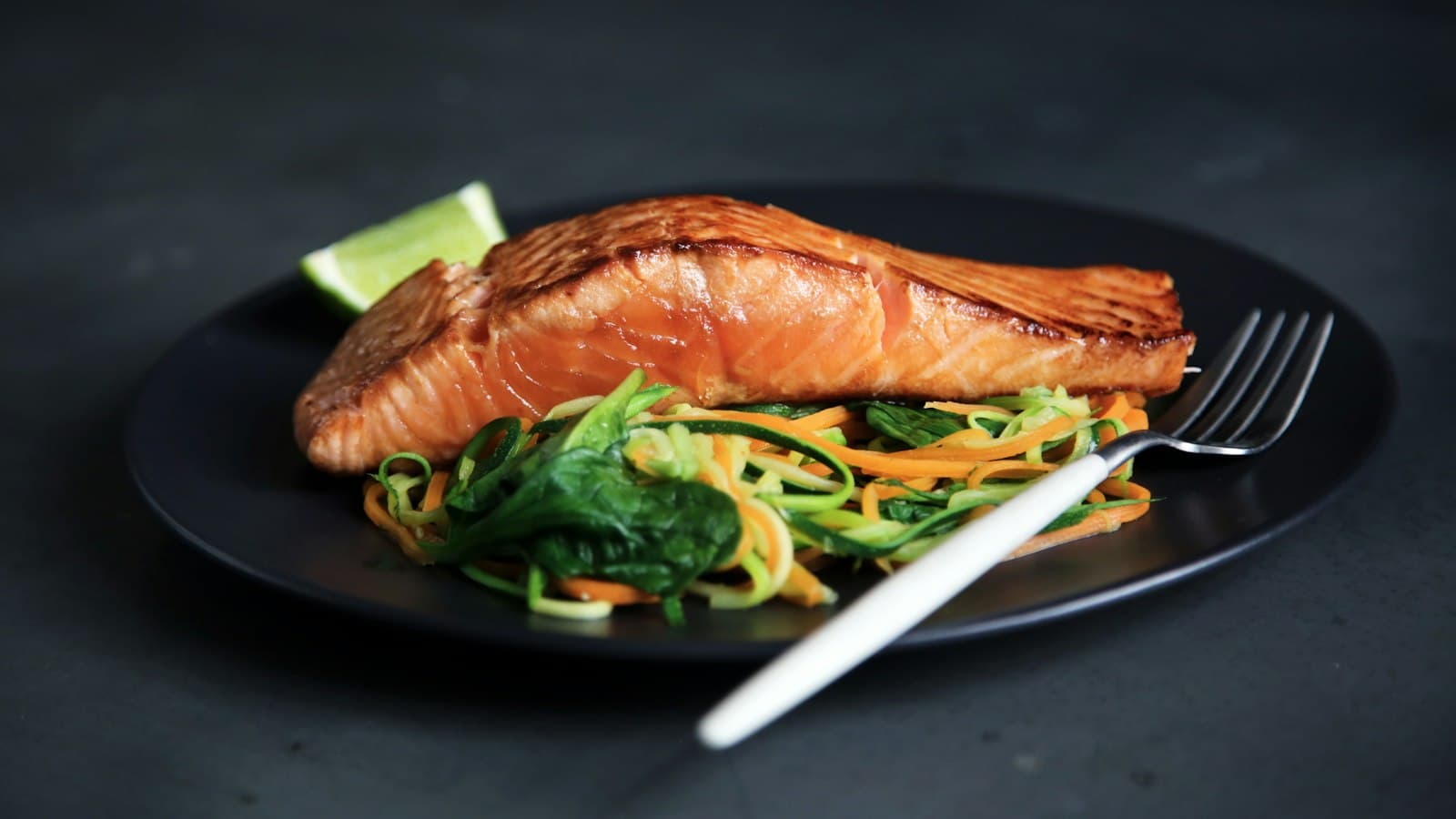
Dinner (550 kcal): Baked salmon with herbs + 150g roasted vegetables + ½ cup quinoa. 38g protein / 45g carbs / 18g fat.
Day 1 Total: 1,395 kcal | 96g protein | 95g carbs | 59g fat
Day 2
Breakfast (290 kcal): 150g Greek yogurt + 30g walnuts + 1 tbsp honey + cinnamon.
Lunch (520 kcal): Lentil soup with lemon and cumin (large portion) + whole-grain pita.
Dinner (560 kcal): Grilled sea bass + tabbouleh (bulgur wheat, parsley, tomato, lemon) + hummus.
Mediterranean Pantry Essentials
- Extra virgin olive oil — use liberally for cooking and dressing
- Canned chickpeas, lentils, and white beans — cheap, nutritious, versatile
- Whole grain couscous, bulgur wheat, and farro
- Sun-dried tomatoes, olives, capers — intense flavor, minimal calories
- Oily fish: sardines (cheapest), mackerel, salmon, sea bass
Analyze Your Mediterranean Recipes
Every recipe in this plan can be entered into RecipeCalc for complete nutrition analysis. Check that you're hitting Mediterranean-appropriate macros: moderate protein (20–25%), lower carbs from whole grains and legumes, and healthy fat from olive oil making up 30–40% of calories.
Calculate Nutrition for Any Recipe
Enter your ingredients and quantities — get a full nutrition breakdown per serving, USDA-verified and label-ready.
Try the Nutrition Calculator