Iron Rich Foods for Vegetarians: Essential Nutrition Data
Introduction
For vegetarians, ensuring adequate iron intake can often be a challenge. Many plant-based foods are rich in iron, yet understanding their nutritional value is crucial for maintaining a balanced diet. This article promises to be your go-to guide for identifying iron rich foods for vegetarians, exploring their nutrition data, and enhancing your culinary practices.
Whether you're a home cook, nutritionist, or food entrepreneur, knowing the nutritional value of your ingredients is essential. With the rise in plant-based diets, the demand for accurate nutrition data has never been higher. This guide will provide you with comprehensive insights into iron-rich vegetarian foods, helping you make informed dietary choices.
By the end of this article, you'll have a clear understanding of which vegetarian foods are high in iron, how to incorporate them into your diet, and the tools available to analyze nutritional data effectively.
What Is Iron Rich Foods for Vegetarians Nutrition Data?
Iron rich foods for vegetarians nutrition data refers to the detailed analysis of the iron content found in plant-based foods. Iron is a vital mineral necessary for the production of hemoglobin, a protein in red blood cells that carries oxygen throughout the body. For vegetarians, it's important to identify plant sources that can fulfill their iron requirements.
There are two types of iron present in our diet: heme and non-heme iron. Heme iron, found in animal products, is more easily absorbed by the body. Non-heme iron, found in plant foods, requires careful combining with vitamin C-rich foods to enhance absorption. Understanding the nutritional data of these foods is crucial for maintaining optimal iron levels.
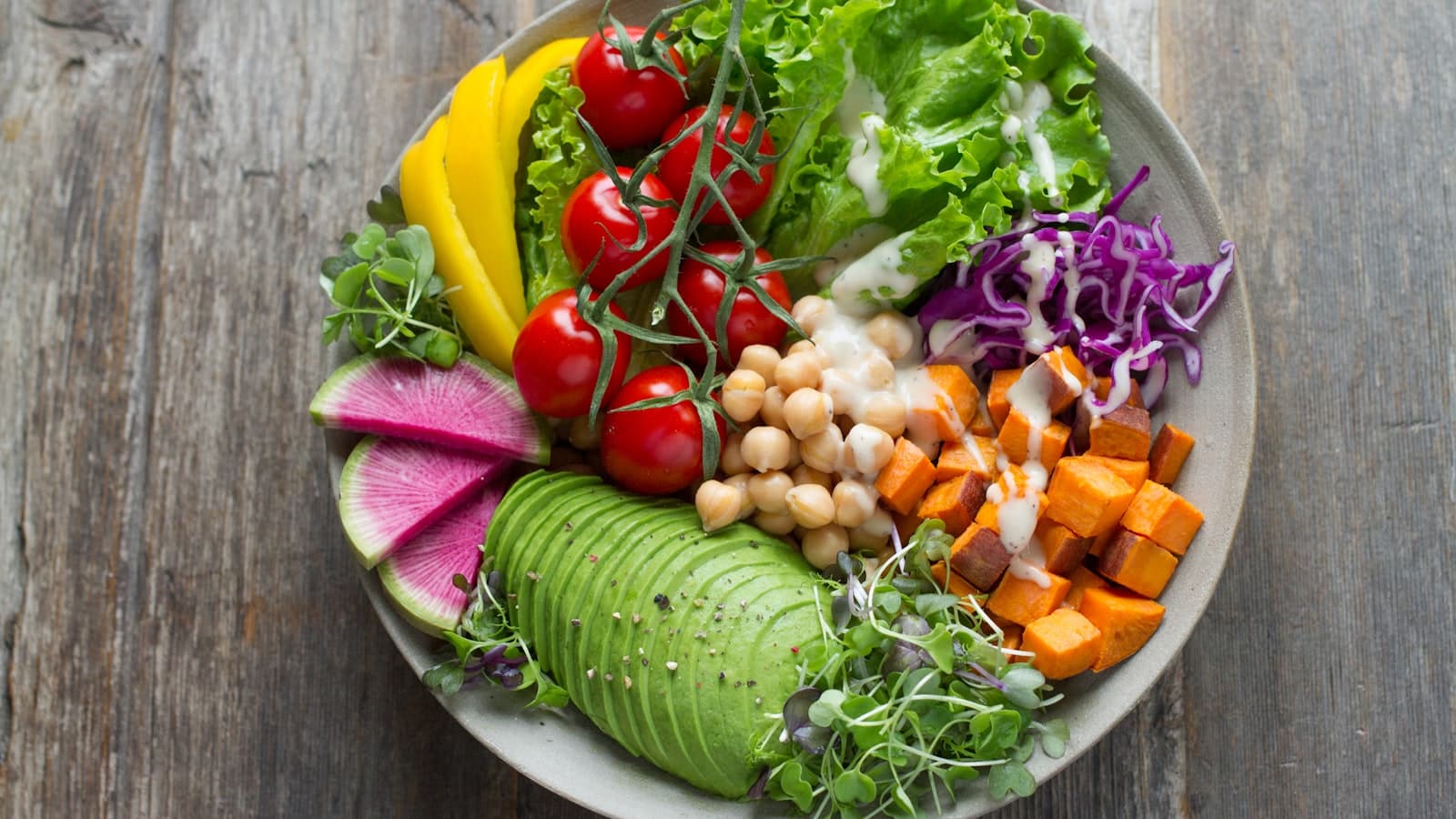
Vegetarian sources of iron include legumes, nuts, seeds, leafy greens, and fortified foods. By examining their nutritional profiles, you can ensure you're meeting your dietary iron needs effectively.
Why It Matters
For food businesses, understanding the nutritional content of menu items is not just about meeting customer demands; it's also a matter of public health. With more consumers opting for vegetarian diets, offering iron-rich options can set your business apart and attract health-conscious customers.
Iron deficiency can lead to anemia, fatigue, and impaired cognitive function, affecting overall well-being and productivity. Therefore, providing detailed nutrition data about your offerings can enhance customer trust and satisfaction. It also ensures compliance with food labeling regulations, which is critical for any food-related business.
Moreover, having access to accurate nutrition data allows businesses to tailor their menu, create diverse offerings, and cater to the specific dietary needs of their clientele.
Step-by-Step Guide
- Identify Iron-Rich Vegetarian Foods: Start by researching plant-based foods high in iron, such as lentils, chickpeas, spinach, and quinoa.
- Analyze Nutritional Data: Use tools like NutriCalcPro's Ingredient Calorie Calculator to obtain precise nutritional data, including iron content per serving.
- Enhance Iron Absorption: Combine iron-rich foods with vitamin C sources like citrus fruits or bell peppers to improve absorption.
- Monitor and Adjust Recipes: Regularly evaluate and update recipes to ensure they meet the desired iron content and other nutritional criteria.
- Educate Your Audience: Share nutrition insights with customers to educate them about the benefits of your iron-rich offerings.
Common Mistakes to Avoid
- Ignoring Vitamin C Pairing: Failing to pair iron-rich foods with vitamin C can significantly reduce iron absorption.
- Overlooking Portion Sizes: Not considering portion sizes can lead to inaccurate nutritional data and potential over- or under-consumption.
- Relying Solely on Fortified Foods: While fortified foods can help, relying solely on them may result in missing out on other essential nutrients.
How NutriCalcPro Helps
NutriCalcPro offers a suite of tools designed to simplify the nutritional analysis process. With the Ingredient Calorie Calculator, you can effortlessly determine the iron content and overall nutritional profile of your ingredients. This tool is invaluable for chefs, nutritionists, and food businesses looking to provide accurate nutrition information to their clients and customers.
Additionally, NutriCalcPro's Label Gen tool can help you generate compliant nutrition labels, ensuring transparency and regulatory compliance for your products.
FAQ
What are some iron-rich foods for vegetarians?
Iron-rich foods for vegetarians include lentils, chickpeas, tofu, quinoa, spinach, and pumpkin seeds. These foods are excellent sources of non-heme iron.
How can I increase iron absorption from vegetarian foods?
To enhance iron absorption, pair iron-rich foods with vitamin C-rich foods such as oranges, strawberries, or bell peppers.
Can NutriCalcPro help me calculate the nutritional value of spices and herbs?
Yes, with NutriCalcPro's Ingredient tool, you can analyze the nutritional value of spices and herbs to understand their contribution to overall dietary intake.
Where can I find reliable nutrition data for vegetarian foods?
You can use the USDA nutrition database or tools like NutriCalcPro for accurate and up-to-date nutrition data on vegetarian foods.
Conclusion
Ensuring adequate iron intake is crucial for vegetarians to maintain energy levels and overall health. By understanding the nutrition data of iron-rich foods, you can make informed dietary choices and enhance your culinary offerings. NutriCalcPro provides the tools necessary for accurate nutrition analysis, helping you deliver value to your clients and customers. Start your free trial today and take the first step towards better nutrition planning.
Calculate Nutrition for Any Recipe
Enter your ingredients and quantities — get a full nutrition breakdown per serving, USDA-verified and label-ready.
Try the Nutrition Calculator