Vitamin D Deficiency Is Silently Affecting 1 Billion People — And It Shows in Recipes
The Scale of the Problem
Vitamin D deficiency affects approximately 1 billion people worldwide. In regions with limited sun exposure — or populations that cover skin for cultural or religious reasons — dietary sources become critical. Even in sunny countries like Saudi Arabia and the UAE, deficiency rates exceed 60% due to indoor lifestyles and sun avoidance.
What Vitamin D Does
- Regulates calcium and phosphate for bone health
- Supports immune system function
- Reduces risk of type 2 diabetes, multiple sclerosis, and depression
- Plays a role in muscle function and cardiovascular health
Daily Requirements
The recommended daily intake is 600–800 IU (15–20 mcg) for most adults. The UK NHS recommends 400 IU as a supplement for adults in winter months. Many nutrition researchers argue optimal levels require 1,000–4,000 IU daily.
Top Food Sources of Vitamin D (per 100g)
- Cod liver oil: 10,000 IU
- Swordfish: 666 IU
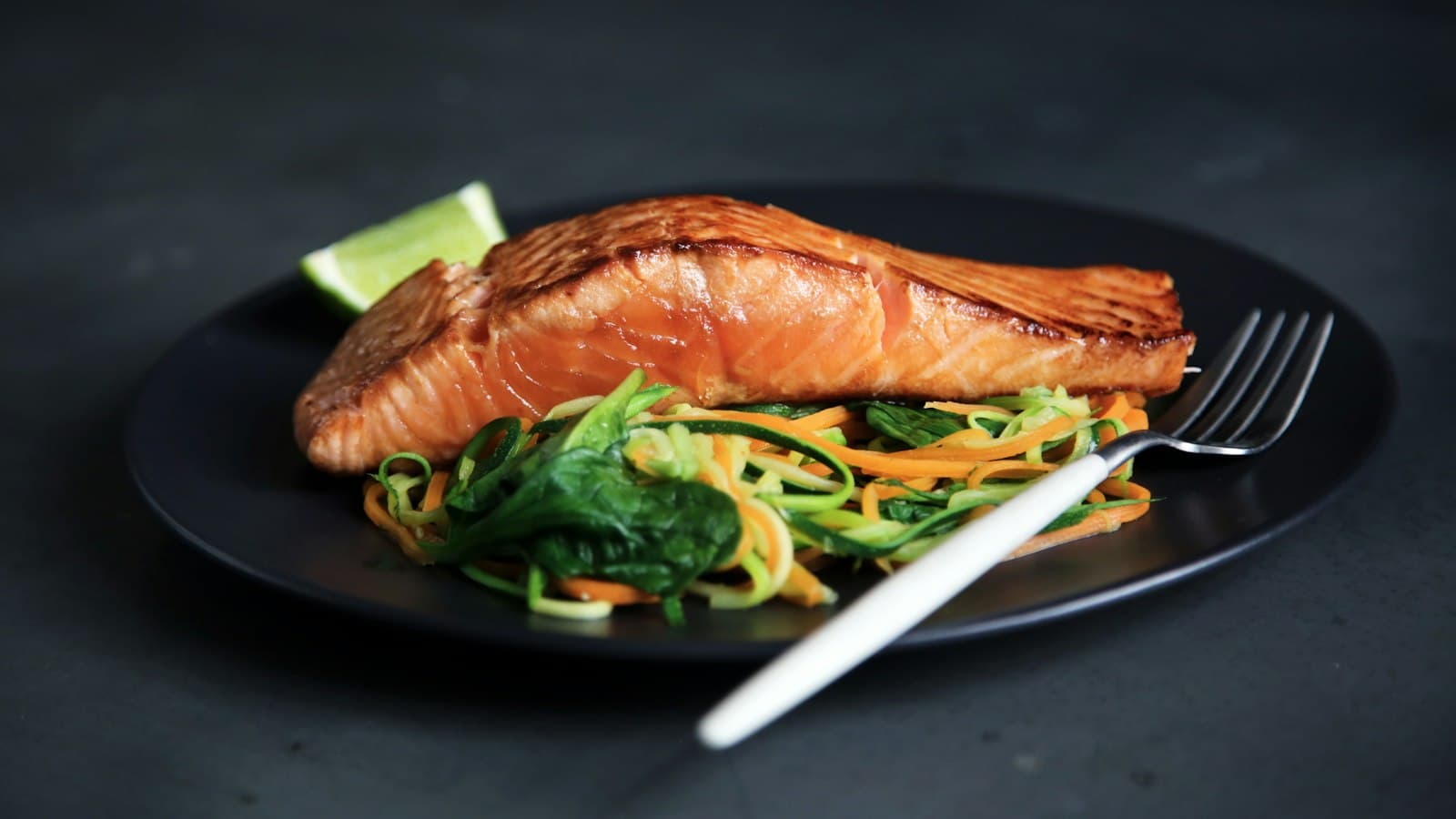
- Salmon (sockeye): 530 IU
- Canned tuna: 236 IU
- Fortified whole milk: ~50 IU per 100ml
- Egg yolk: ~37 IU per yolk
- Mushrooms (UV-exposed): ~400 IU per 100g
Cooking Without Destroying Vitamin D
Vitamin D is fat-soluble and relatively heat-stable. However, prolonged high-heat cooking (deep frying, extended roasting) can degrade it by up to 40%. Baking, steaming, or light pan-frying preserves more vitamin D than high-heat methods.
Track Vitamin D in Your Recipes
RecipeCalc's nutrition calculator shows vitamin D per serving alongside all other micronutrients. You can see at a glance how much of the daily recommended intake your recipe provides — critical for nutritionists building meal plans and manufacturers making health claims.
Calculate Nutrition for Any Recipe
Enter your ingredients and quantities — get a full nutrition breakdown per serving, USDA-verified and label-ready.
Try the Nutrition Calculator