Omega-3 Fatty Acids in Your Diet: Benefits, Sources, and Optimal Intake

The Three Types of Omega-3
- ALA (Alpha-linolenic acid) — found in plant foods (flaxseeds, chia, walnuts). An essential fatty acid (your body can't make it). However, conversion to EPA/DHA is inefficient (~5–15%).
- EPA (Eicosapentaenoic acid) — found in oily fish and marine algae. Primary anti-inflammatory omega-3. Most studied for cardiovascular and mental health benefits.
- DHA (Docosahexaenoic acid) — found in oily fish, algae oil. Critical for brain function, eye health, and fetal neurodevelopment.
Why ALA Alone Is Insufficient
Vegetarians and vegans relying solely on ALA sources (flaxseeds, chia, hemp) get inadequate EPA and DHA because human conversion of ALA→DHA is 0.5–4%. This is a significant concern for pregnant women, breastfed infants, and people over 60 where DHA demand is highest.
Solution for plant-based eaters: algae oil supplements — algae is the original source of the EPA/DHA that fish accumulate, cutting out the fish middleman.
Food Sources of EPA + DHA (per 100g)
- Atlantic mackerel (cooked): 2,670mg
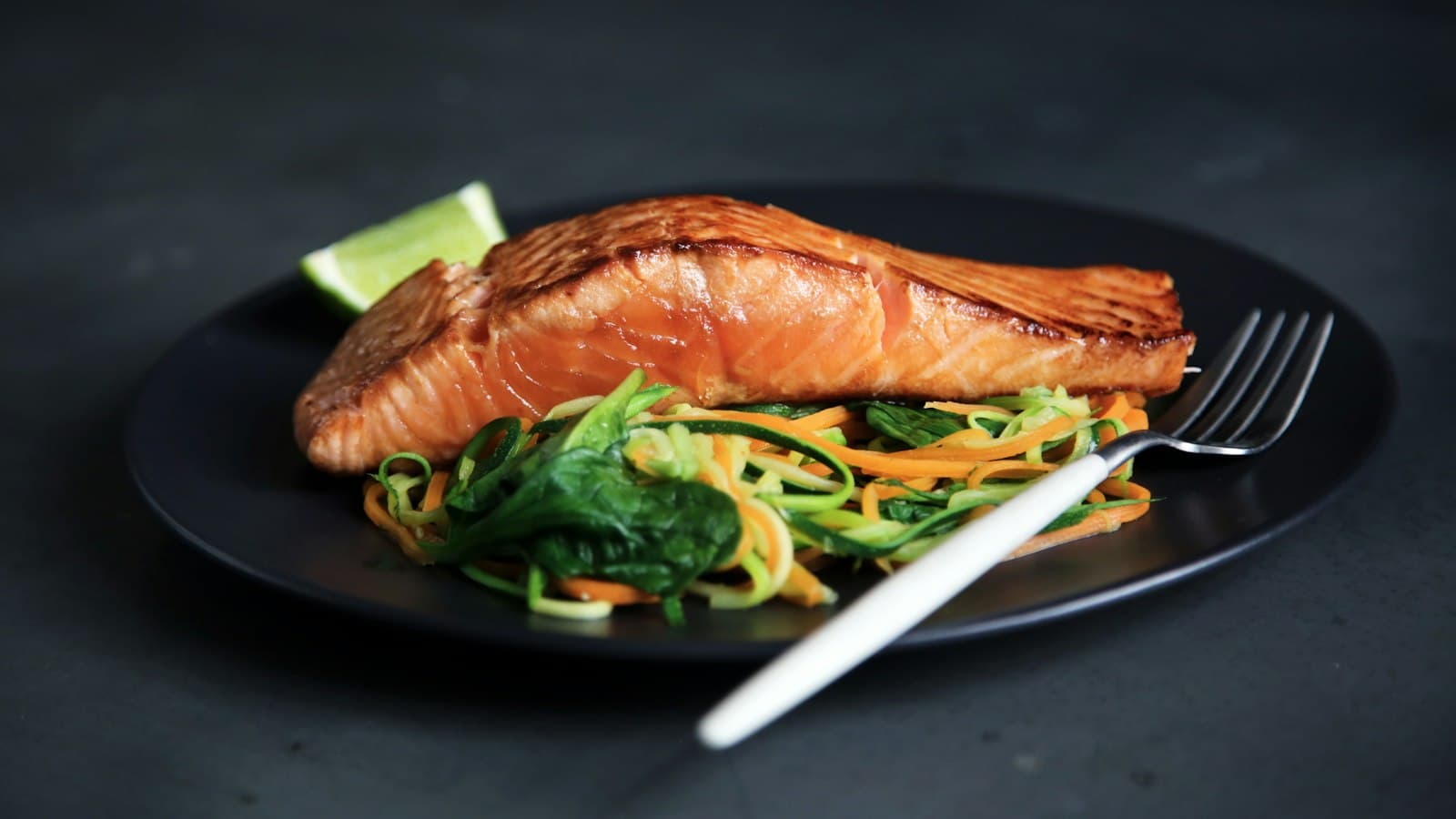
- Wild-caught salmon: 2,260mg
- Herring: 2,010mg
- Canned sardines: 1,460mg
- Canned tuna (light): 270mg
- Farmed salmon: 2,500mg
Recommended Intake
WHO recommends 250–500mg EPA + DHA per day for general health. For cardiovascular protection, the American Heart Association recommends ~1,000mg/day EPA + DHA. During pregnancy: 200mg DHA/day minimum is recommended by most obstetric guidelines.
Build Omega-3 Rich Recipes
RecipeCalc's micronutrient tracker includes omega-3 content from USDA data. Build a weekly meal plan with 2–3 portions of oily fish and check that you're hitting recommended EPA + DHA targets per serving.
Look Up Any Ingredient's Full Nutrition
Search 300,000+ USDA-verified ingredients and get a complete breakdown — calories, macros, vitamins, and minerals.
Try the Ingredient Calculator