How to Read a Nutrition Label: A Complete Guide for Consumers and Food Makers

Start at the Top: Serving Size
The serving size is the most manipulated field on a nutrition label. Before reading anything else, check the serving size and how many servings are in the container. If a bag of chips lists 130 calories per serving but has 3 servings, you're looking at 390 calories for the whole bag.
The 2020 FDA update improved this by mandating more realistic serving sizes — but flexibility still exists.
Calories: What the Bolded Number Means
The large calorie number is calories from all macronutrients (protein, carbs, fat) per declared serving. It does not include alcohol calories in products that contain ethanol — a note relevant for kombucha, cooking wine products, and similar items.
The % Daily Value Column
Based on a 2,000-calorie diet. A nutrient at ≥20% DV is "high" in that nutrient. A nutrient at ≤5% DV is considered "low." Use these thresholds:
- You want HIGH %DV: fiber, vitamin D, calcium, iron, potassium, protein
- You want LOW %DV: saturated fat, sodium, added sugars
The Trans Fat Legal Loophole
FDA allows products containing up to 0.5g of trans fat per serving to be labeled "0g Trans Fat." If a serving size is artificially small and you eat the whole package, you could consume several grams of trans fat while the label reads 0. Check the ingredient list for "partially hydrogenated" oils — the presence of this phrase means trans fat exists, regardless of what the label says.
Sugar: Total vs. Added
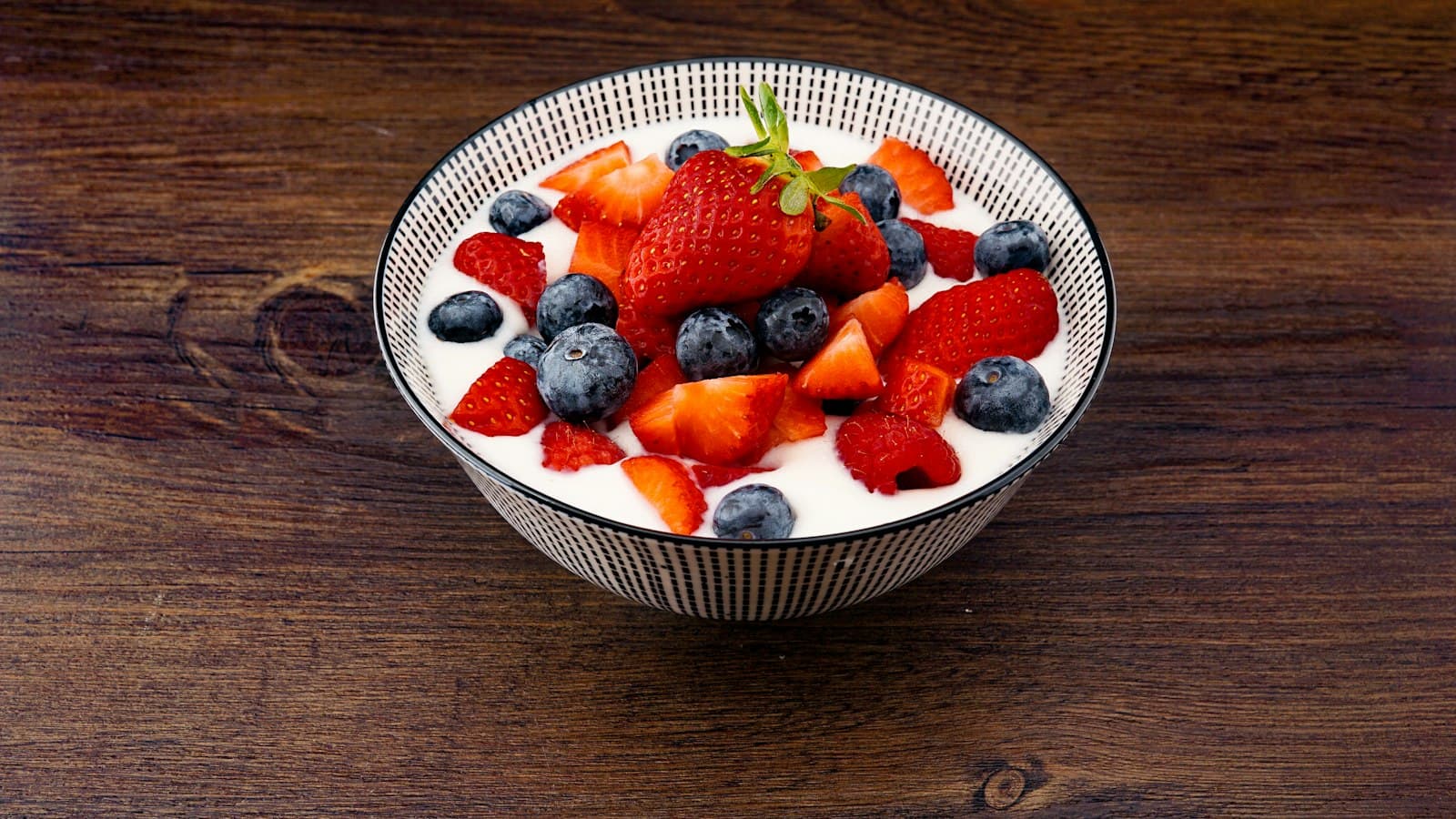
Plain yogurt has 12g of "Total Sugars" from natural lactose. Flavored yogurt might have 12g from lactose PLUS 8g of "Added Sugars" from fruit concentrate or cane sugar. For weight management and insulin response, added sugars are what matters. Natural sugars in whole foods come packaged with fiber and nutrients that slow their absorption.
Generate Your Own Labels
RecipeCalc's label generator creates FDA-compliant labels for any recipe — complete with serving size, all required nutrients, and % Daily Values. Export as print-ready PNG or PDF for packaging or presentation.
Generate an FDA-Compliant Nutrition Label
Create print-ready nutrition labels for your food products in minutes — FDA, SFDA, and GCC formats all supported.
Try the Label Generator