Food Photography for Product Labels: Requirements and Best Practices

The Principal Display Panel: Legal Constraints
The FDA allows food companies significant creative freedom on product labels — but the key regulatory constraint is no image that misrepresents the product's contents. This is enforced under 21 CFR 101.4 and general food labeling regulations.
What's Prohibited
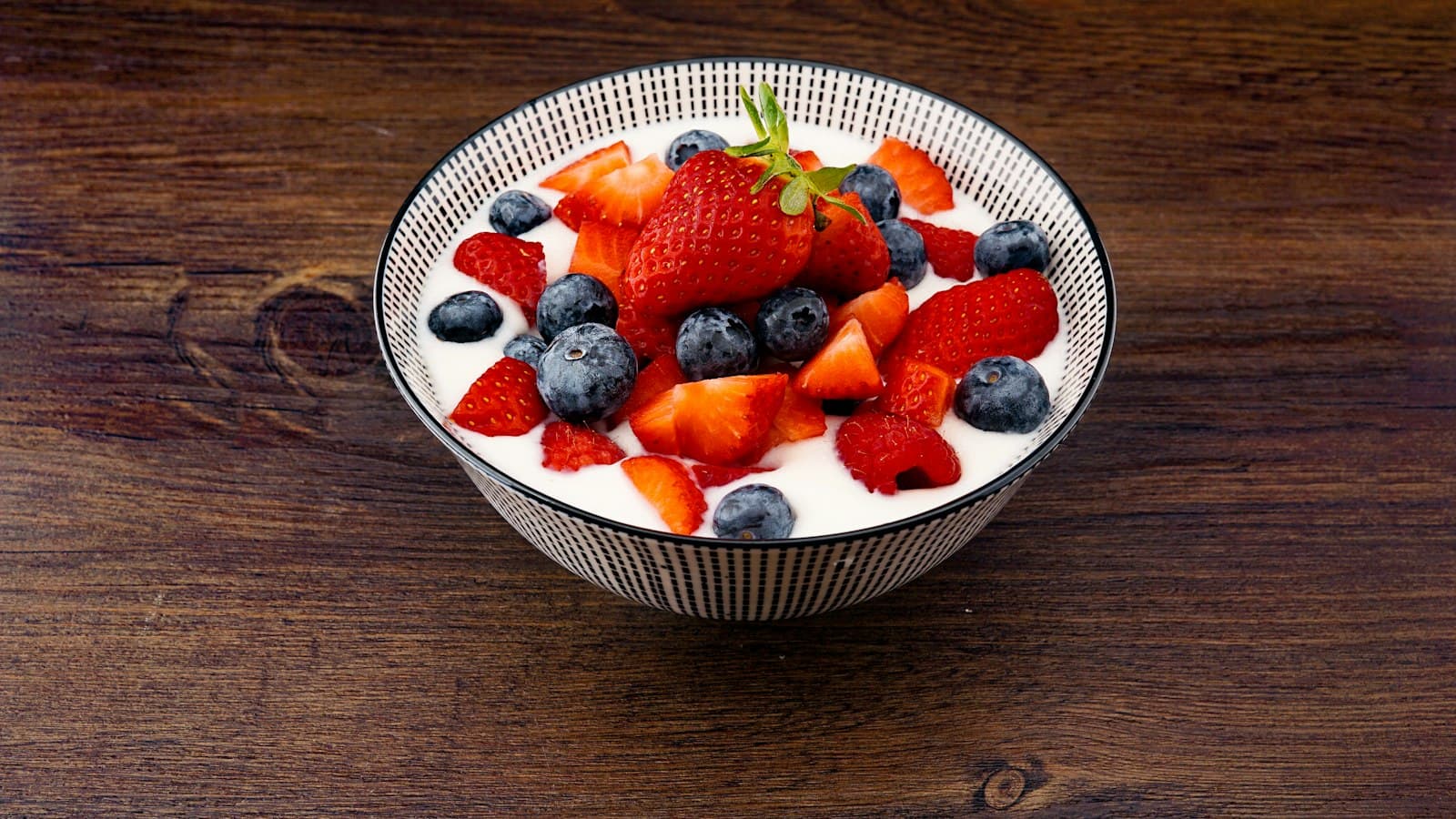
- Showing more of an ingredient than is present (e.g., large chunks of fruit in yogurt when the product contains only 2% real fruit)
- Depicting serving suggestions without declaring "serving suggestion" on the label
- Using colors or lighting that make the food appear fresher, richer, or more vibrant than it actually is (FTC marketing guidelines)
- Implying homemade production on industrially manufactured products
What's Required
Any food shown that is not contained in the product must be labeled as "serving suggestion." Showing a bowl of cereal with milk when the product doesn't contain milk requires this declaration. Violating this on a widely distributed product is a common FDA warning letter trigger.
Professional Food Photography Tips
- Natural light is king — shoot near a large north-facing window for soft, diffused light
- Hero angle: 45° overhead or straight-down flat lay for most products; 25–30° elevation for beverages and height-forward dishes
- Hero props: raw ingredients in background tell the story of quality
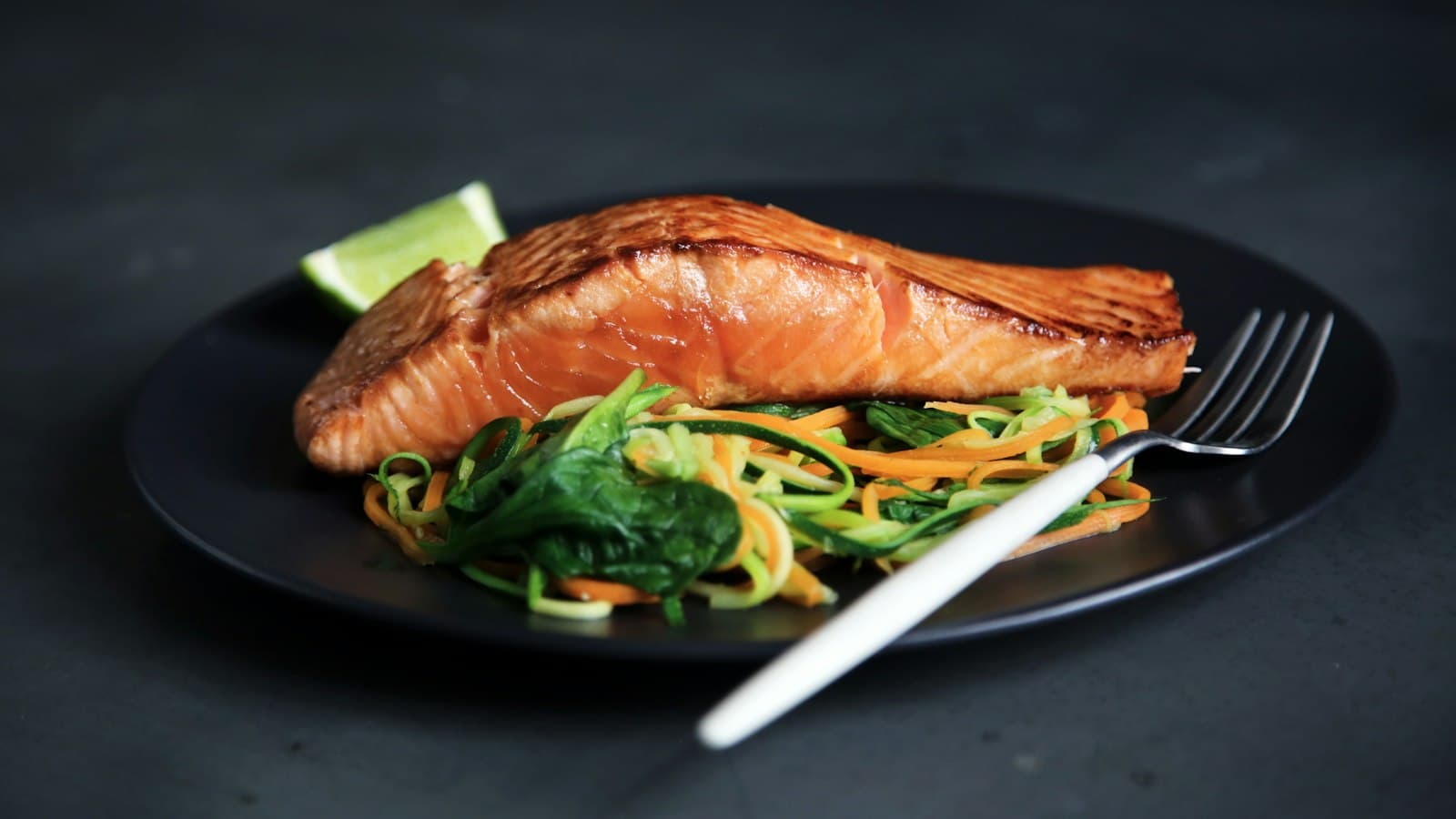
- Color contrast: light-colored foods on dark backgrounds, vice versa
- Steam and freshness cues: ice cubes keep salads crisp; steaming creates perceived warmth
Resolution Requirements for Print Labels
Product label images should be at minimum 300 DPI at the final print size. A label image that looks sharp on screen (72–96 DPI) will print blurry. For typical 4" × 6" labels, your hero image needs to be at least 1200 × 1800 pixels.
Generate an FDA-Compliant Nutrition Label
Create print-ready nutrition labels for your food products in minutes — FDA, SFDA, and GCC formats all supported.
Try the Label Generator